
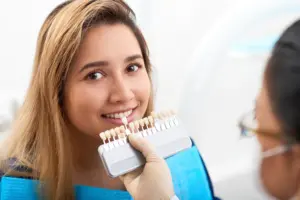
Many people who want to improve their smile find it hard to explain exactly what they want. You might sense something isn’t quite right, but telling your dentist and feeling sure they understand can be tricky. Digital Smile Design was created to help close that gap between what you picture and what you actually get.
At Koski DePaul Dental Group in Highland Heights, OH, we include smile design in our cosmetic treatment planning from the very beginning. Here’s what the process looks like and why it can make a real difference in your results.
What is Digital Smile Design, and how does it create natural-looking results?
Digital Smile Design is a way to plan your new smile using photos, video, and special software before any treatment starts. The design is based on your own facial features and symmetry, not a one-size-fits-all template. That’s why the results look natural and fit you personally.
What Digital Smile Design Actually Is
Digital Smile Design is a way for you and your dentist to plan and talk about your new smile before any treatment starts. It helps you both see and agree on what your smile could look like, so you’re working toward the same goal.
Using facial photographs, video, and special software, your dentist uses photos, video, and special software to show possible changes right on images of your face. You get a digital preview to look at and give feedback on before any work begins. It’s like having a blueprint everyone agrees on before starting. It’s a precise plan, not a guarantee. Individual anatomy, the procedures involved, and how your smile heals all play a role in the final outcome. But having that documented visual target makes the process significantly more predictable than working without one.
How Traditional Smile Planning Compared
In the past, planning a new smile mostly depended on talking about what you wanted and the dentist’s experience. You might say, “I want my teeth a little longer and whiter,” and the dentist would try to make that happen. Sometimes it worked, but often there were surprises, and the results didn’t always match what you pictured.
Digital Smile Design removes that guesswork. Rather than just describing what you want, you get to see it. You and your dentist look at the same image, so there’s less chance for misunderstanding. This change from talking to seeing is important, especially when it comes to something as personal as your smile.
What Happens During a Digital Smile Design Appointment
The appointment itself is more observation than procedure. Your dentist captures photographs and video of your face at rest, mid-conversation, and while smiling fully. This matters because a smile isn’t a static thing. The goal is to understand how your teeth, lips, and facial structure actually move together before proposing any changes.
From there, the software maps several key reference points:
- Facial symmetry and midline
- Lip line and how much of your teeth show at rest versus when smiling
- Gum display and proportion
- Individual tooth shape, length, and shade
After taking these measurements, your dentist suggests changes, and you look at them together on a screen. If something doesn’t look right, you can speak up. This stage is meant to be a conversation, and your feedback helps decide what treatment is planned.
How the Design Connects to the Actual Treatment
Once the design is approved, it becomes the reference document for everything that follows. It guides which procedures make the most sense for your specific goals, whether that’s veneers, composite bonding, tooth contouring, whitening, or a combination of several.
Sometimes, the design is used to make a trial smile, a physical or digital model you can see before any permanent work starts. This is especially helpful if you’re planning bigger changes, as it gives you another chance to make sure you’re happy before moving forward.
Throughout treatment, the design keeps everything anchored. Rather than making aesthetic decisions chairside as work progresses, the dentist can reference the agreed plan at every step. That consistency is a big part of why the process tends to produce results that feel intentional rather than improvised.
Why “Natural-Looking” Is Built Into the Process
People often say “natural-looking” in cosmetic dentistry, but with digital smile planning, it has a clear meaning. A smile looks natural when it matches your face, the proportions fit you, and it feels like it truly belongs.
Digital Smile Design makes this possible by starting with your own facial features, not a standard template. The software looks at how your lips move, how much of your teeth show when you talk or smile, and how your smile fits with your whole face. The smile is designed for you, not the other way around.
When patients see and adjust their proposed smile before treatment, they’re more likely to be happy with the final result. Being able to give feedback early helps make sure the outcome feels right.
Who Is a Good Candidate for Digital Smile Design
This process is especially useful when multiple changes need to work together. If you’re considering veneers alongside whitening or reshaping several teeth at once, the design stage ensures all of those elements are planned as a cohesive result rather than a series of separate decisions.
It’s also great for people who have trouble explaining what they want or feel unsure about starting treatment without knowing what to expect. Seeing the changes ahead of time helps ease those worries.
For patients with a single, straightforward concern, such as one chipped tooth or a whitening-only goal, the full design process may not be necessary. Your dentist can help you determine what level of planning makes sense for your situation.
Common Questions About Digital Smile Design
Does it mean more appointments? Usually, there’s just one extra planning visit before treatment starts. Most patients find it’s worth it because it makes everything clearer from the beginning.
Can you ask for changes to the design? Yes, absolutely. Looking at the design together is meant to be a team effort, and your feedback helps decide the final plan.
Is Digital Smile Design offered everywhere? Not always. It needs special software and training, so it’s a good idea to ask your dentist if they use digital planning for cosmetic treatments.
How close is the final result to the preview? In most cases, it’s very close, though your anatomy and healing can cause some small differences. The design gives a clear goal, and treatment is planned to match it as closely as possible.
Ready to See Your Smile Before Anything Changes?
If you’ve been considering a new smile but aren’t sure about taking the next step, the design process is here to help. At Koski DePaul Dental Group, we show you what your smile could look like before any treatment begins. There’s no pressure or guessing, just a clear idea of what’s possible and a plan made for you. Contact our Highland Heights office to set up a cosmetic dentistry consultation when you’re ready.